
Endometriosis: symptoms, treatment and causes

Home » Endometriosis: symptoms, treatment and causes

Endometriosis: symptoms, treatment and causes
Endometriosis: symptoms, treatment and causes

Giving birth to a child can be quite complicated if the internal organs of the female reproductive system have issues. The internal reproductive system of a woman has several parts with different roles. There are eggs that are produced by the ovaries. Two tiny tubes called the fallopian tubes collect the eggs and transport them to the uterus. And the uterus also has its role in the development of the fetus.

The uterine wall is composed of three layers of tissue; the endometrium (innermost layer), the myometrium (thick middle layer) and the perimetrium (outer layer). The role of the endometrium is to prepare itself for a fertilized egg. Having not received a fertilized egg, it breaks and bleeds as menstruation.

But if a fertilized egg gets implanted in the endometrium, then it does not break and bleed. The menstruation cycle stops, and the egg begins to develop in the womb.

What is endometriosis?

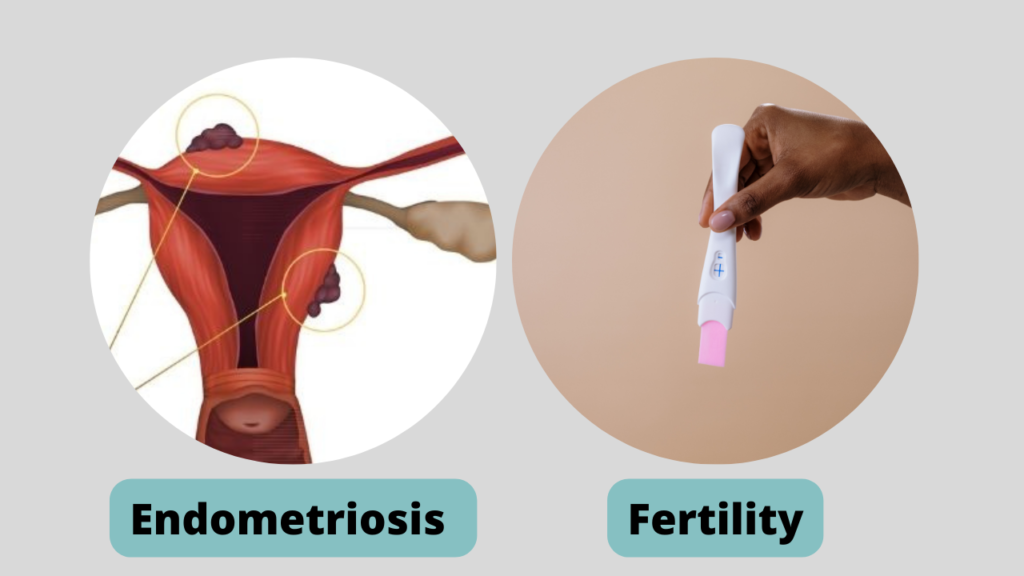
Endometrial-like tissues can grow outside the endometrium wall and act the same way as the endometrium does; which means those tissues also bleed like the endometrium, and the blood from them can also cause inflammation in the other organs of the reproductive system, or in the pelvic cavity.

The sites of endometriosis can include:

  • The fallopian tubes
  • Ligaments that support the uterus
  • The ovaries
  • The space between the uterus and the bladder
  • The space between the uterus and the rectum
  • Pelvic cavity lining
  • The surface of the outer lining of the uterus
  • Places where it can be found occasionally are the rectum, the bladder, the intestines, the vagina, the vulva, the cervix and scars of abdominal surgery.

Endometriosis is said to have three main types.

  • Endometrioma. These lesions can grow deep in the ovaries. As they appear dark, they are also called chocolate cysts and are filled with fluid.
  • Deeply infiltrating endometriosis. These lesions are found under the peritoneum.
  • Superficial peritoneal lesions. They are said to be more common than the rest. These lesions can grow on the peritoneum which lines the pelvic cavity.

Endometriosis symptoms

Endometriosis symptoms can vary from person to person. But the most common symptom is pelvic pain. Depending on the intensity of this condition, a patient can also have symptoms like:

  • Painful urination (during menses)
  • Painful bowel movement (during menses)
  • Pelvic pain
  • Regular pain in the lower abdomen
  • Digestive problems, constipation, diarrhea and nausea
  • Infertility
  • Painful sex
  • Intestinal pain
  • Painful periods

Endometriosis causes

Exactly it is unknown what causes endometriosis. But, the assumptions that are given for this condition are given below:

  • Genes. Not very well known, but still it is said that if your sister or mother ever had endometriosis, it could enhance your chances of it.
  • Hormonal imbalance. It is also believed that the immune system disorder or hormonal imbalance could also be responsible for it.
  • Surgery. A surgeon has to make incisions during surgery. Endometrial cells may stick to other organs during surgery.
  • Retrograde menstruation. When the menstruation blood flows back into the uterus cavity; it is called retrograde menstruation. Retrograde menstruation may take endometrium tissues to other organs, which may remain stuck there and bleed from time to time.
  • Poor nutrition. Malnutrition can also disturb the functioning of the body, including the reproductive system.

Endometriosis causes infertility

Endometriosis could also be responsible for infertility. If endometriosis is mild, there is a possibility of giving birth successfully. But in severe cases, there could be complications related to ovulation, conception and the growth of the child.

  • Endometriosis can block the release of the eggs or damage the ovaries.
  • Blockage in the fallopian tube due to endometriosis can also cause infertility issues.

How is endometriosis diagnosed?

Tests that are done to diagnose endometriosis are:

  • Imaging tests
  • Biopsy
  • Laparoscopy
  • Pelvic exam

Endometriosis ayurvedic doctor in Delhi

If you are looking for an endometriosis specialist in Delhi, consult Doctor. Famous ayurvedic doctor in Delhi and has treated many patients successfully.

Consult Aasha Ayurvedic center for the treatment of endometriosis.

Contact number: +91- 9811773770, Website: www.aashaayurveda.com

There are therapies and herbal medicines in Ayurveda that are used to cure endometriosis. Uttar basti is a highly effective therapy in which medicated oil is used. The doctor with the help of a thin pipe which is inserted into the uterus through the cervix administers this medicated oil into the uterus.

This oil reaches the other parts of the reproductive organs, including the fallopian tubes and the ovaries, and gives its healing results from the inside.

What can be an endometriosis diet in Ayurveda? Your ayurvedic doctor can also plan an endometriosis diet along with your herbal medicines. This ayurvedic treatment does not need any surgical procedure. It is natural and safe, and also effective in curing endometriosis and unblocking the fallopian tubes.

Similar Posts

  • Natural Therapies for Blocked Fallopian Tubes

    “Blocked fallopian tubes are one of the major causes of infertility. The blockage of the tubes prevents conception.” Artavaha srotas in Ayurveda covers the entire female reproductive tract. Fallopian tubes are important part of artavaha srotasa as they carry bija rupi artava. Thus fallopian tube is also called artava bija vaha srotasa. Vata and kapha…

  • Ayurvedic Treatment for PCOD – Aasha Ayurveda Doctor Chanchal Sharma

    Ayurvedic treatment for PCOD || What is PCOD ? Nowadays , due to changing lifestyles , unhealthy food habits , and lack of physical activity , people are facing many problems . Especially if we talk about women , they have to juggle the responsibilities of home and family as well as work space , due to which they are unable to give time to themselves , and this gradually starts having a negative impact on their health . These small things that women keep ignoring can later lead to major health problems . One of these is PCOD . Let ‘s find out in this blog post what is PCOD , what are its causes , symptoms , and treatment ?​​​​​​​​                       What is PCOD ? ( PCOD kya hota h?) PCOD is a hormonal disorder that occurs in women of reproductive age ( 15 to 45 ) . The full form of PCOS and PCOD is Polycystic Ovarian Disease . To understand what PCOD is ( PCOD  kya hota hai ) , one must study this disease carefully . Under this disease , small cysts start forming in a woman ‘s ovaries , which look like lumps in shape .​​​   If PCOD is not treated promptly , itcanleadtoinfertilityinwomen.WomenwithPCODoftenexperienceirregularperiods,includingsevereabdominalpainandcramps.WomenwithPCODalsoexperienceincreasedlevelsofmalehormones,leadingtofacialhairgrowth,weightgain,andacne.​​​​​​​​​​​​​​​​​​​​​​​​​​​​​​​​   What are the causes of PCOD ? (PCOD ke karan kya hote hain ?)  What are the symptoms of PCOD ? (PCOD ke lakshan kya hote hain and what is PCOD problem?)  PCOD is a common condition in women caused by hormonal imbalance and has many symptoms . To understand PCOD , it ‘s important to understand its symptoms . PCOD symptoms can vary from woman to woman , depending on their physical condition , genetics , and other factors . Here are some common symptoms of PCOD :​​​​​​​​​​​​​​       How long does the treatment of PCOD last / in how many days does PCOD get cured ?  PCOD has become quite common these days . It is a hormonal imbalance – related disorder that is treatable . However , to fully resolve it , patients may need to make some lifestyle changes . Women with PCOD should exercise regularly and pay special attention to their diet . Ayurveda uses herbal remedies to treat PCOD . Maintaining control is essential in this situation .​​​​​​​​​​​​​​​   How to diagnose PCOD ?​ To properly treat PCOD , you must first understand its causes . To understand the causes of PCOD , you need to pay attention to its symptoms . If you experience any of the  above symptoms , consult a gynecologist . Your healthcare provider may recommend the following tests :​​​​​​​​ How is PCOD treated ?​​​ Treatment for PCOD can vary from woman to woman , depending on the symptoms . Because a complete cure for PCOD is n’t possible , the symptoms determine the appropriate treatment . You can manage its symptoms by leading a healthy lifestyle and eating healthy foods . Here are some lifestyle changes you can make to help manage PCOD :​​​​​​​​​​​​​​​​​​​​​​​​​​   Can women with PCOD become pregnant ?​​​  Women often wonder whether they can become mothers after being diagnosed with PCOD . This question is valid , as this hormonal disorder affects lifestyle . Women with PCOD may take longer to conceive than other women . They may face various complications during pregnancy . Therefore , they especially need to make lifestyle changes to help them achieve their dream of becoming a mother .​​​​​​​​​​​​​​​​​​​​​​​​​​​   Not all women with PCOD have the same symptoms , so conceiving is easier for some . Some women with PCOD have irregular periods , making it difficult to track their ovulation . Without a track record of ovulation , it becomes difficult for them to know their most fertile days , the days when intercourse will most likely lead to pregnancy .​​​​​​​​​​​​​​​​​​   Ayurvedic Treatment of PCOD​​  Ayurvedic treatment aims to eradicate any disease from its roots . The underlying cause is first identified , then treated to permanently free you from the disease . Treatment is often tailored to the individual ‘s abilities , which can vary . However , it is recommended that you consult an Ayurvedic specialist before undertaking any therapy or medication , as this reduces the risk .​​​​​​​​​​​​​​​​​​​​​​​​​​   Panchakarma treatments are recommended to treat the underlying cause by removing toxins from the reproductive system and strengthening various organs such as the uterus , ovaries , and fallopian tubes . This Panchakarma treatment also helps maintain the body ‘s hormonal balance .​​​​​​    Conclusion​ This disorder , caused by hormonal imbalance , can affect any woman in the reproductive age group . Women affected by this disorder develop cysts in their ovaries , causing significant discomfort during their periods . Treatment is possible , but lifestyle changes are crucial . You need to adopt a healthy lifestyle and exercise regularly to maintain hormonal balance .​​​​​​​​​​​​​​​   Which test is done to check PCOD ? ​​​ To check PCOD , the doctor does a physical examination , blood test and measures the level of LH ( luteinizing hormone ) present in the blood .    FAQs  :  Frequently Asked Questions​​ Q. What is the problem caused by PCOD ?  PCOD is a hormonal imbalance disorder that can affect women between the ages of 15 and 45. PCOD causes irregular periods , severe abdominal pain , and cramps during periods . They may also develop unwanted facial hair and pimples .​​​​​​​​​​​​​​​​​​​​   Q.  How will I know if PCOD has been cured ?​ …

  • Fertility Boosting Foods for Women: ओव्यूलेशन नेचुरली बढ़ाने के लिए क्या खाएं?

    Fertility Boosting Foods for Women: ओव्यूलेशन नेचुरली बढ़ाने के लिए क्या खाएं? आजकल की भागदौड़ भरी जीवनशैली में हर आदमी चाहे वह स्त्री हो या पुरुष दोनों का खान-पान और दिनचर्या काफी प्रभावित हुआ है। महिलाओं के ऊपर दोहरी जिम्मेदारी आ गई है। जहाँ पहले उन्हें केवल घर का कामकाज करना होता था वहीँ आज…

  • Celebrating the Healing of your Body and Mind through Ayurveda”- Holi & Ayurveda

    Holi is an Indian festival also called the festival of colors that originated in ancient times. Color is scientifically proven to have a tremendous impact in our life. On this day everyone looks same with colors on the face, in the same way when we apply the color of love to the mind all differences…

  • Ectopic pregnancy: symptoms, causes, test and treatment

    Ectopic pregnancy: symptoms, causes, test and treatment This article covers the following topics: What is an Ectopic pregnancy? An ectopic pregnancy is when the fertilized egg implants outside the uterus. The egg is meant to grow in the uterus, but sometimes it sticks outside, mainly in the fallopian tube, the uterus and starts growing there….

  • Reason and Cure Of Infertility

    आखिर क्यों मां नहीं बन पाती हैं कुछ महिलाएं, जानिए कारण मां बनना एक स्त्री के लिए बहुत सुखद एहसास है , एक स्त्री मां बनने के बाद खुद को सपूर्ण पाती है। स्त्री के तमाम सुखों में माँ बनना उन्हें सबसे बड़े सुख की अनुभूति करवाता है । लेकिन ये सुख सभी स्त्रियों के…

Leave a Reply

Your email address will not be published. Required fields are marked *